
 Home >
 The latest chapter in the US-Iran standoff shows just how fragile diplomacy can be. Military operations have slowed, but that does not mean the crisis has ended. Behind closed doors, regional mediators are working around the clock to prevent another dangerous escalation.
The mixed signals coming from Washington have added fresh uncertainty. President Donald Trump confirmed that the United States is willing to continue negotiations with Iran. At the same time, he declared that the existing ceasefire is over, making it clear that military pressure remains part of the administration's strategy.
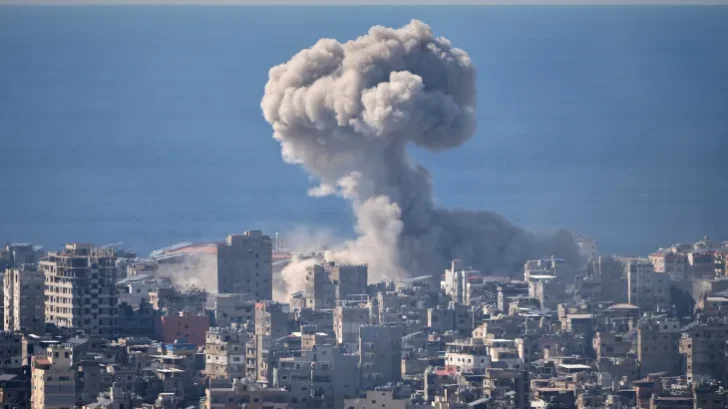
Recent fighting began after attacks on commercial vessels moving through the Strait of Hormuz. The United States responded with military strikes on Iranian targets, saying the action was necessary to protect international shipping. Iran answered with strikes of its own, pushing tensions to one of their highest levels in recent months.
Officials say a temporary pause in military operations created “a small window for diplomacy.” That pause allowed regional partners to intensify discussions aimed at preventing the conflict from expanding further. The effort highlights how quickly military confrontation and diplomatic talks can overlap during international crises.
Regional Mediators Step Into the Spotlight

E News / Several countries have emerged as key players in the effort to calm the situation. Qatar, Pakistan, Turkey, Egypt, and Saudi Arabia have all been actively communicating with officials from both Washington and Tehran.
Their shared goal is to reduce immediate tensions and restart discussions over Iran's nuclear program. Qatar has taken one of the most visible diplomatic roles. A Qatari delegation traveled to Iran after coordinating with the Trump administration. Officials hope these direct conversations can rebuild trust and reopen a path toward broader negotiations.
Iranian Foreign Minister Abbas Araghchi has remained in contact with Qatari leaders throughout the latest crisis. Those discussions have focused on lowering tensions while keeping communication channels open. Even during periods of military confrontation, both sides have continued to rely on intermediaries instead of direct talks.
Diplomacy has become especially important because neither side appears eager for a full-scale war. Regional governments understand that another major conflict could threaten shipping, energy markets, and security across the Middle East. That shared concern explains why mediation efforts have become so intense over the past several days.
Washington Keeps Pressure on Tehran
President Trump's recent statements captured the complicated nature of the current situation. He confirmed that negotiations could continue while also insisting that the ceasefire should no longer be viewed as active. The message suggested that diplomacy and military pressure will move forward at the same time.
That position has created uncertainty about what comes next. Some reports suggested another round of negotiations could take place in Switzerland during the coming weeks. Iranian officials quickly rejected those reports, saying no new talks had been scheduled and that any official announcement would come directly from Tehran.
Iran has also argued that negotiations cannot move forward until Washington changes its position on several disputed issues. Among the biggest disagreements are the implementation of the existing peace memorandum and rules governing maritime traffic through the Strait of Hormuz. Those disputes remain major obstacles despite ongoing diplomatic contacts.
Meanwhile, the military picture remains tense. President Trump announced additional measures targeting Iranian shipping, including plans to restore a blockade on Iranian vessels, while allowing international commercial traffic to continue through the Strait of Hormuz. The announcement has added another layer of pressure as diplomats continue their work.
The Strait of Hormuz Remains the Biggest Flashpoint
GTN / Much of the current dispute centers on the Strait of Hormuz, one of the world's busiest shipping routes.
A significant share of global oil exports passes through this narrow waterway every day. Any disruption immediately attracts worldwide attention because of its impact on energy supplies and shipping costs.
The United States insists that commercial vessels must enjoy unrestricted access through the strait. Iran argues that it has greater authority over navigation in nearby waters. Those conflicting positions have repeatedly fueled military incidents involving commercial ships and naval forces.
Earlier diplomatic efforts produced the Islamabad Memorandum of Understanding, an interim agreement intended to reduce tensions for 60 days. The framework included discussions on sanctions relief, frozen Iranian assets, nuclear commitments, and freedom of navigation.