
 Home >
 For years, companies relied on supplier audits to spot forced labour risks. Inspectors visited factories, checked records, interviewed workers, and produced reports. Companies could then point to those reports as proof that they had checked their supply chains.
The European Union is preparing a much tougher test. Under the EU Forced Labour Regulation, a clean audit report may no longer provide enough comfort. Companies could instead need detailed evidence showing exactly where materials and components came from, or risk losing access to the EU market.
The Forced Labour Regulation, known as the FLR, was adopted in December 2024. Its main prohibition takes effect on 14 December 2027. It blocks products made with forced labour from being placed, sold, or exported through the EU market.
Its reach is deliberately broad. The rules cover products from every country and sector, including goods produced inside the EU. Forced labour linked to extraction, harvesting, manufacturing, production, or processing can bring a product within the regulation.
That means trouble can begin far below a company's direct supplier. A raw material or small component linked to forced labour could expose the finished product to enforcement. The EU is effectively asking companies to know far more about the journey behind each product.
Audits Are Losing Their Protective Power
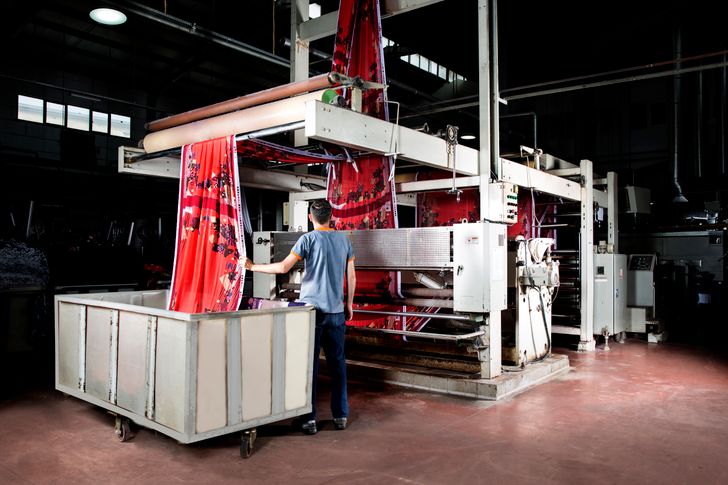
Sana / Pexels / Traditional social audits have an obvious weakness. A factory can prepare for an announced inspection, clean up records, coach workers, and control what auditors see.
An audit may therefore produce a polished report without revealing the conditions workers actually face.
The European Commission's 2026 FLR Guidelines reflect that problem. Unrestricted facility access and worker interviews conducted without supervision can make the evidence much stronger.
This becomes especially important when authorities investigate state-imposed forced labour. In those cases, workers may face serious risks if they speak openly. Factory inspections and supplier declarations can therefore offer limited reassurance when broader evidence points toward systemic coercion.
Authorities can also consider information from bodies such as the International Labour Organization, United Nations institutions, courts, and credible academic research. Strong regional evidence can shape an investigation even when an individual factory audit reports no obvious problems.
The FLR does not formally place a general due diligence duty on every company. Yet companies that face scrutiny will have a strong reason to show that they investigated risks properly. A thin supplier questionnaire will not carry the same weight as documented traceability.
Traceability Becomes the New Market Access Test
The FLR uses a two-stage investigation process. Authorities first conduct a preliminary assessment to decide if there is a substantiated concern. That standard requires reasonable indications, based on objective and verifiable information, that a product was likely made using forced labour.
If concerns remain, authorities can open a formal investigation. Businesses may then receive detailed requests for information and face tight response periods. An investigation is not the right moment to discover that crucial supply chain records were never collected.
The evidence authorities can seek goes far beyond a standard audit report. Companies may need supply chain maps, bills of materials, facility locations, chain-of-custody records, raw material sources, certificates, and documents connecting individual components with their origins.
Technical evidence could become important as well. Laboratory analysis, including isotopic testing in suitable cases, can help test claims about material origin. Satellite imagery and GPS information may also help authorities examine production locations and supplier connections.
Product Ban Changes the Cost of Getting It Wrong
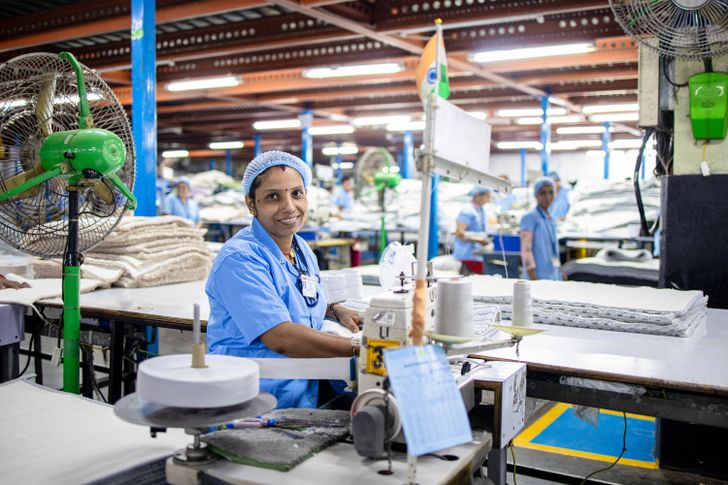
Stock / Pexels / A poor audit can create a corrective action plan, another supplier meeting, or a request for fresh documentation. An FLR violation can remove the affected product from the market.
Authorities can prohibit the placement, availability, or export of affected goods. Products already on the market can also face withdrawal and disposal requirements. That makes forced labour compliance a direct issue for sales, inventory, procurement, logistics, and revenue.
The impact can extend beyond the company first investigated. FLR decisions will appear on the Forced Labour Single Portal. Other operators handling the same affected products can therefore face immediate pressure to examine their own exposure.