 Home >
 A power outage hits differently when you live on a homestead. Losing electricity can stop the well pump, shut down freezers, cut heat controls, and leave expensive food at risk. A blackout that feels annoying in town can become a serious problem on rural property.
That reality has pushed more homesteaders to rethink backup power. Recent discussions in Reddit’s r/homestead community show that many owners no longer see batteries and generators as competing choices. Instead, they are combining both technologies, letting batteries handle shorter outages while generators step in when the grid stays down.
Battery Backup Makes Short Power Outages Much Easier
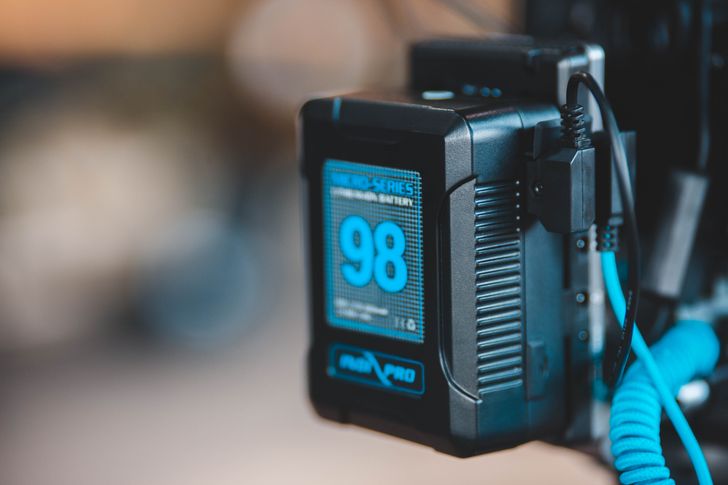
Intro / Pexels / Battery systems solve several annoying problems that come with traditional generators. They run quietly, require no gasoline during operation, and can supply electricity without an engine roaring outside.
Properly configured systems can also switch to backup power quickly when utility service fails.
That makes batteries especially useful for essential equipment. A refrigerator, freezer, internet router, lights, phones, and selected outlets can keep working without someone heading outside to start an engine. The U.S. Department of Energy confirms that residential batteries can store electricity for later use during outages, especially when paired with solar panels.
Homesteaders have already found practical uses for smaller battery systems. In one recent rural power discussion, a homeowner said a portable power station kept the refrigerator, router, lights, and electronic devices running during an outage. That setup did not attempt to power every appliance in the house.
Battery capacity also has a hard limit. A battery stores a fixed number of kilowatt-hours, so every appliance running during an outage reduces the remaining supply. A 13.5 kWh battery could theoretically support a steady 1 kW load for around 13.5 hours before accounting for system losses, reserve settings, and other real-world limits.
Add a large air conditioner or another heavy electrical load, and that runtime can shrink quickly. A battery does not create new energy once its stored charge is gone. It needs the grid, solar panels, a generator, or another electricity source before it can continue supplying power.
Solar can extend battery runtime, but rooftop panels alone do not guarantee backup electricity. Many grid-connected solar installations shut down during an outage unless the system has equipment designed for backup operation.
Generators Still Matter When the Grid Stays Down
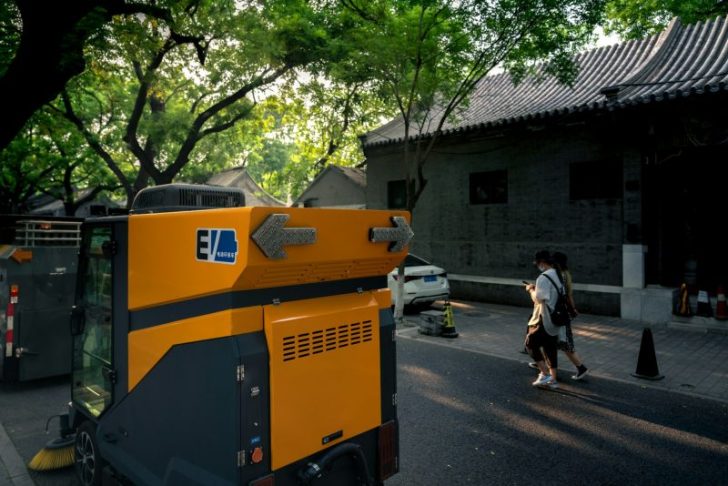
Rudy / Unsplash / Generators solve the biggest weakness of battery backup: Limited stored energy. A fuel-powered generator keeps producing electricity as long as it has fuel, proper maintenance, and safe operating conditions.
That makes it valuable when a storm knocks out utility service for several days.
The difference becomes especially important on properties with electric well pumps. Discussions among r/homestead users repeatedly highlight the starting demands of these pumps. One user with a 6,500-watt peak generator said the unit barely managed the well pump startup, while another recommended shutting off other major loads before starting the pump.
Hence, sizing is essential. A generator that comfortably runs a refrigerator and freezer may still struggle with a deep well pump because motors can require a large surge of power when they start. Voltage matters too, since many residential well pumps operate at 240 volts.
Homeowners need to check the actual equipment specifications before buying backup hardware. Guessing from a generator’s headline wattage can lead to an expensive surprise during the first outage. An electrician can also determine how a generator or battery should connect safely to household circuits.
Generators bring their own disadvantages. They create noise, need maintenance, consume stored fuel, and produce dangerous exhaust gases. Portable generators must operate outdoors and safely away from doors, windows, and other openings because carbon monoxide can become deadly inside enclosed spaces.